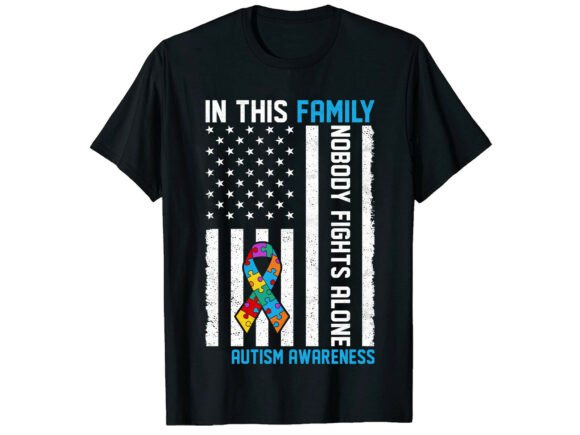
Nobody Fights Alone Autism T-Shirt: Graphics & Designs
As a brand designer and content marketer, I approach every graphic design asset with a critical eye toward its potential in real-world campaigns. Recently, while developing a visual identity kit for a small business launching a neurodiversity awareness initiative, I evaluated the Nobody Fights Alone Autism T-Shirt. This piece is not merely a garment print; it is a versatile creative design that holds significant weight for small business branding and community-focused marketing. The initial impression is one of warmth and solidarity. The vibrant puzzle piece theme immediately establishes an emotional connection, signaling support without feeling clinical or distant. For brands looking to cultivate audience trust, this level of authentic emotional resonance is invaluable.
Setting the Mood for Authentic Brand Communication
The mood created by this design is inherently supportive and inclusive. In the landscape of content marketing, where audiences are increasingly savvy about performative activism, the Nobody Fights Alone Autism T-Shirt feels grounded and genuine. It strikes a balance between casual lifestyle content and meaningful advocacy. When reviewing this for a potential product launch or seasonal offer, I noted that the visual tone is perfect for handmade products, event promotions, and editorial graphics that require a human touch. It avoids the sterile look of corporate stock imagery, instead offering a texture of care that resonates deeply with parents, educators, and advocates within the neurodivergent community. This makes it an excellent candidate for professional branding efforts that aim to humanize a company.
Integrating the Asset into Multi-Channel Marketing
In practical application, this digital product shines across various touchpoints. For a comprehensive campaign, we utilized the design beyond just apparel. It served as a cornerstone for social media graphics, specifically Instagram posts and Stories where the message needed to be clear and shareable. The strong visual elements translated well into Pinterest pins, driving traffic to blog posts about inclusion. We also tested it as a header for email banners, where it successfully broke up text-heavy newsletters with a burst of color and meaning.
Furthermore, the design's adaptability extends to packaging design and product labels. Imagine a subscription box for sensory-friendly toys; placing this graphic on a sticker or a thank-you card inside the box reinforces the brand's values instantly. It works equally well as a standalone illustration for lead magnets or media kits, providing a cohesive look that ties disparate marketing materials together. Whether used in digital ads on Facebook or as a decorative element on event flyers, the Nobody Fights Alone Autism T-Shirt design maintains its integrity and impact.
Elevating Visual Hierarchy and Audience Engagement
One of the primary goals of any marketing visuals strategy is to create a strong first impression. This asset excels here by offering a clear focal point. The interplay between the typography and the puzzle motif creates a natural visual hierarchy that guides the viewer's eye. This clarity leads to better product presentation and improved engagement rates. When audiences see a design that looks professional yet approachable, their recognition of the brand strengthens.
For content creators and digital sellers, using such a high-quality design bundle element ensures that the final output does not look messy or amateurish. It supports the goal of creating memorable campaign visuals that stick in the consumer's mind long after they have scrolled past. The emotional connection fostered by the "Nobody Fights Alone" message transforms a simple transaction into a shared value statement, which is crucial for building long-term loyalty in modern design contexts.
Strategic Placement and Usage Limitations
While the Nobody Fights Alone Autism T-Shirt is a powerful tool, strategic placement is key. It works best as a hero graphic on landing pages, a central element in product launch visuals, or an accent in branded templates. It is ideal for social media covers and promotional banners where the message can breathe. However, caution is advised when using it in formal corporate branding where minimalism is the strict standard, or in dense information layouts where it might compete with critical data.
Additionally, one must be careful with small mobile graphics if the details of the puzzle pieces are intricate; scaling down too much can lose the nuance of the SVG design or PNG design source files. It is also less effective on low-contrast backgrounds or in overly text-heavy ads where the visual story gets lost. The goal is to let the asset support the main message, not overpower it.
Designer Notes for Implementation and Testing
Before integrating this into a client workflow or a paid campaign, several practical steps are essential. First, test the design against your specific brand color palette to ensure harmony. While the original colors are vibrant, checking how the clipart elements perform in black and white is necessary for monochrome printing or faxed documents. Always place the asset inside real campaign mockups to gauge its scale and presence.
Preview the design on mobile screens, as this is where most digital ads are consumed. Test readability if you are overlaying text, and compare the final look against competitor visuals to ensure distinctiveness. Typography pairing is another critical factor; this design pairs beautifully with sans serif fonts for a clean look, but also holds its own against handwritten or script fonts for a more personal feel. Finally, and most importantly, always confirm the commercial license before using these design assets in business branding or client work. Ensuring you have the right to use the T-Shirt Designs and Graphics commercially protects your business and validates your professional standing in the creative marketplace.
In conclusion, the Nobody Fights Alone Autism T-Shirt is more than just a print; it is a strategic asset for brands committed to inclusivity. By understanding its mood, applications, and limitations, marketers and designers can leverage it to create impactful, trustworthy, and visually stunning campaigns that truly resonate with their audience.