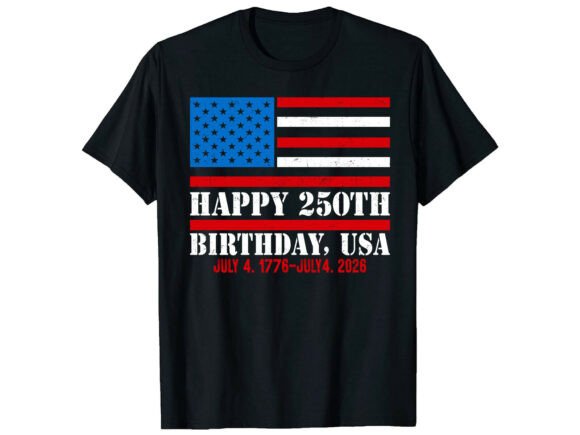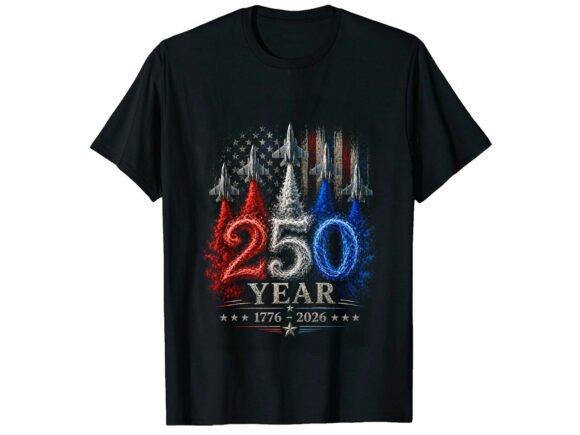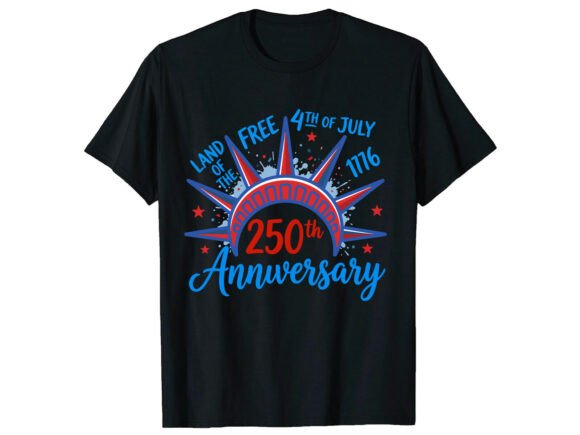
250th Anniversary 4th of July T-Shirt
As an embroidery designer and product reviewer, I often find myself evaluating designs for real-world use. The 250th Anniversary 4th of July T-Shirt is one such design that immediately caught my attention with its bold, patriotic aesthetic. It's a piece that feels right at home on custom apparel, but it also has the potential to elevate a range of projects—from tote bags to baby clothes. Let me walk through how this design performs in practical embroidery scenarios.
First Impressions: A Patriotic Statement
The 250th Anniversary 4th of July T-Shirt exudes a sense of celebration and pride. Its layout is clean, with a strong central motif that likely features stars, stripes, and perhaps a bold date or phrase. The color palette is probably bright and eye-catching, fitting for Independence Day. This kind of design works well on light-colored fabrics, where the details can pop without being overwhelmed.
From a visual standpoint, it’s a design that feels like it belongs on a t-shirt, but its versatility extends beyond that. The balance of detail and simplicity makes it adaptable for different fabric types and project sizes. However, I’d be cautious about using it on dark fabrics unless there’s a clear contrast in thread colors.
Real-World Embroidery Performance
When considering the 250th Anniversary 4th of July T-Shirt for real embroidery work, I think about how it translates across different mediums. For example, if I were creating a custom embroidered tote bag, this design could serve as a focal point. The size and complexity would need to be adjusted depending on the hoop size available, but the overall structure seems manageable.
On sweatshirts or t-shirts, the design should hold up well, especially if the stitch density isn’t too high. Satin stitches and fill stitches would give it a polished look, while running stitches could add texture to elements like borders or accents. For baby items, the design might need some simplification to avoid overwhelming small spaces, but the core elements could still work effectively.
Embroidered patches are another area where this design could shine. It’s important to ensure that the details are sharp and that the stitching doesn’t become too dense, which could cause the patch to feel stiff. Similarly, when working on caps or hats, the curvature of the surface requires careful planning to maintain the integrity of the design.
Where to Use With Caution
While the 250th Anniversary 4th of July T-Shirt is a strong design, there are situations where it might not perform as well. Small hoop sizes can limit the complexity of the design, so it may not be ideal for mini-embroidery projects. Textured or stretchy fabrics could also pose challenges, as they might distort the stitching or make the design look less crisp.
Dense stitch areas could lead to puckering or unevenness, especially on thin or delicate fabrics. If the design includes tiny lettering or intricate corners, those details might not translate well unless the machine and stabilizer are properly set up. It’s also worth noting that this design may not be the best choice for layered garments or products that require frequent washing, as the embroidery could wear down over time.
Impact on Visual Appeal and Customer Perception
When used correctly, the 250th Anniversary 4th of July T-Shirt adds a strong visual statement to any project. It can enhance the value of handmade products, making them more appealing to customers looking for unique, patriotic items. The clarity of the stitching is crucial—poorly executed embroidery can turn a great design into a disappointment.
For small business owners and Etsy sellers, this design offers a chance to create seasonal merchandise that resonates with a broad audience. It can be a valuable addition to a craft fair booth or a boutique product line. However, the success of the finished product depends heavily on how well the design is executed and presented.
Practical Designer Notes
Before jumping into a project with the 250th Anniversary 4th of July T-Shirt, I recommend testing it on scrap fabric. This allows you to see how the thread colors interact with the background and whether the stitch density is appropriate. Checking the design in black and white mockups can also help identify any issues with contrast or detail visibility.
It’s essential to confirm that the design works on both light and dark fabrics, as this affects the choice of thread colors. Using the right stabilizer is key, especially on stretchy or textured materials. For commercial projects, ensuring that the design is licensed for resale is a must—never assume that a digital embroidery file is free to use without proper permissions.
Whether you’re creating a personalized gift, a holiday decoration, or a small shop product, the 250th Anniversary 4th of July T-Shirt has the potential to be a standout piece. But like any design, its success depends on how well it’s adapted to the specific project and fabric type.